McKeown Medical
167 Bath Street, Glasgow, G2 4SQ
McKeown Medical
167 Bath Street, Glasgow, G2 4SQ





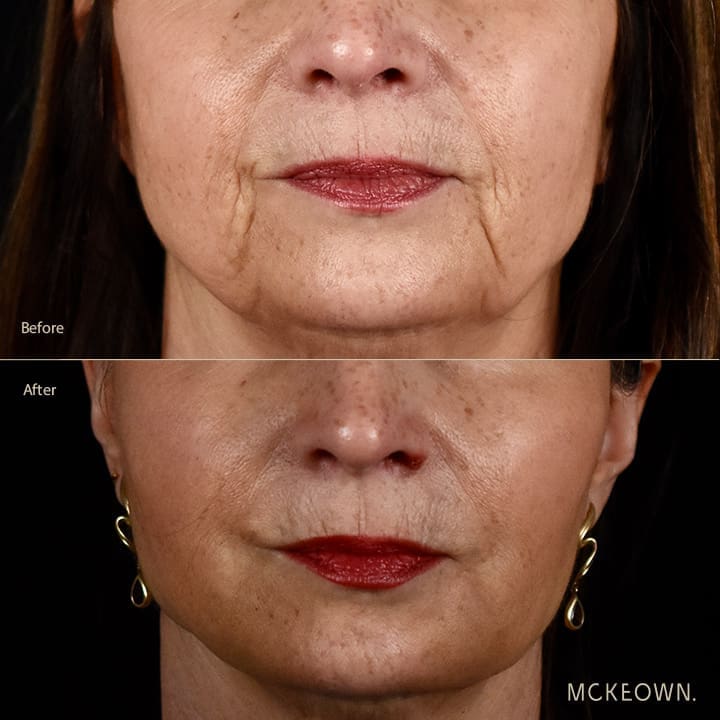
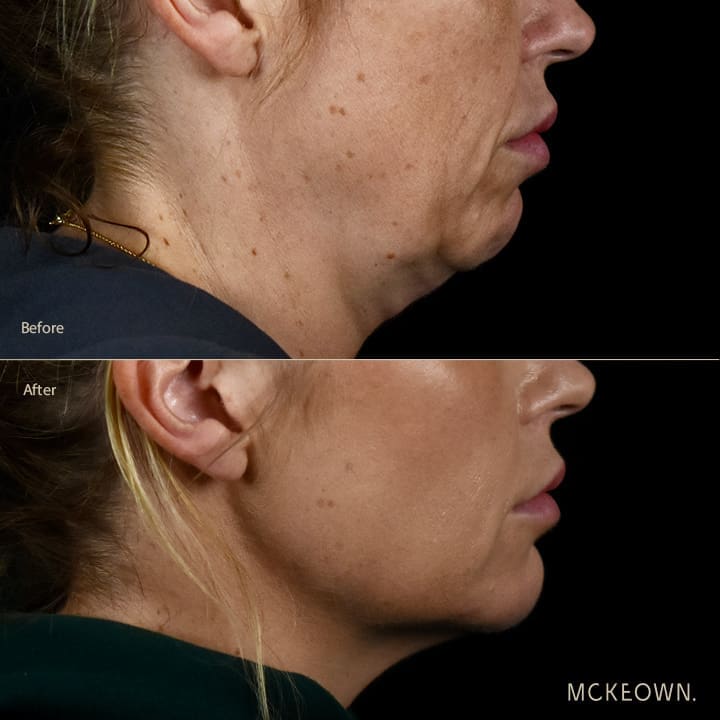
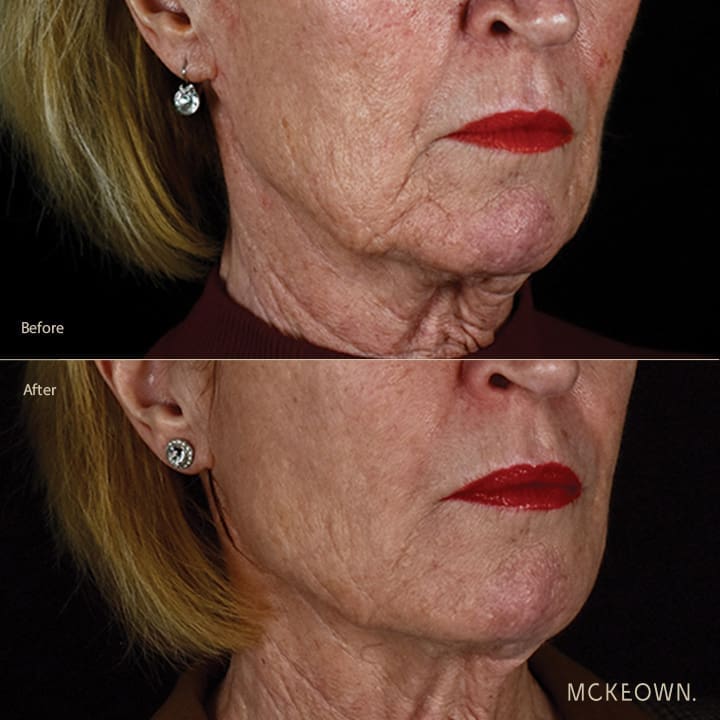
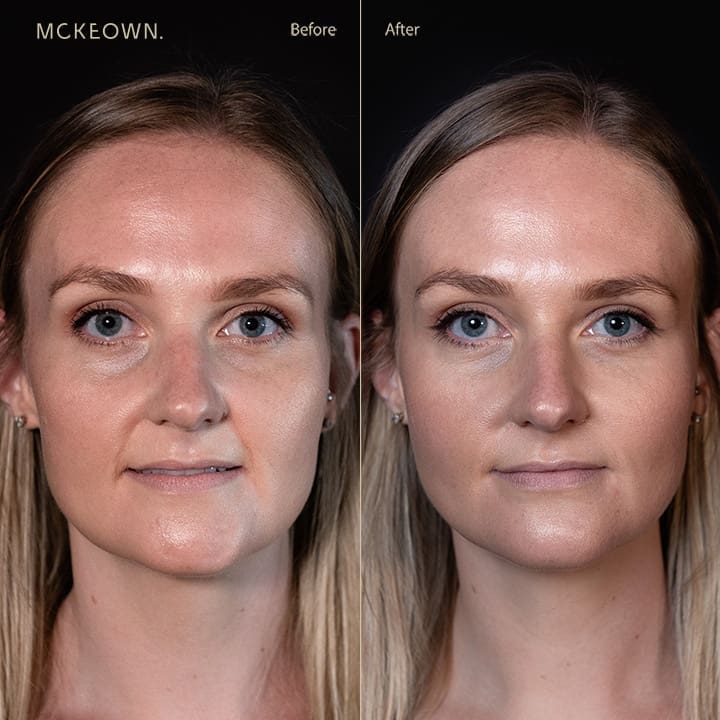
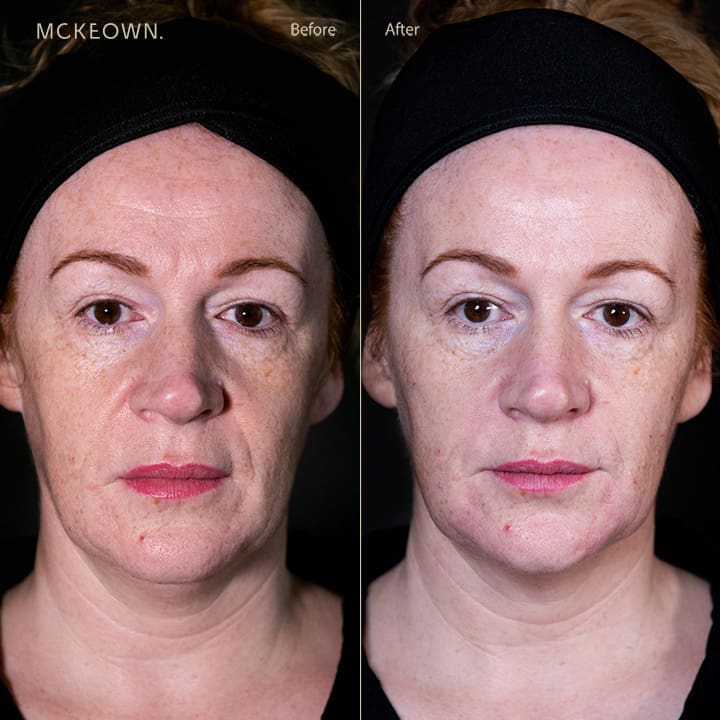
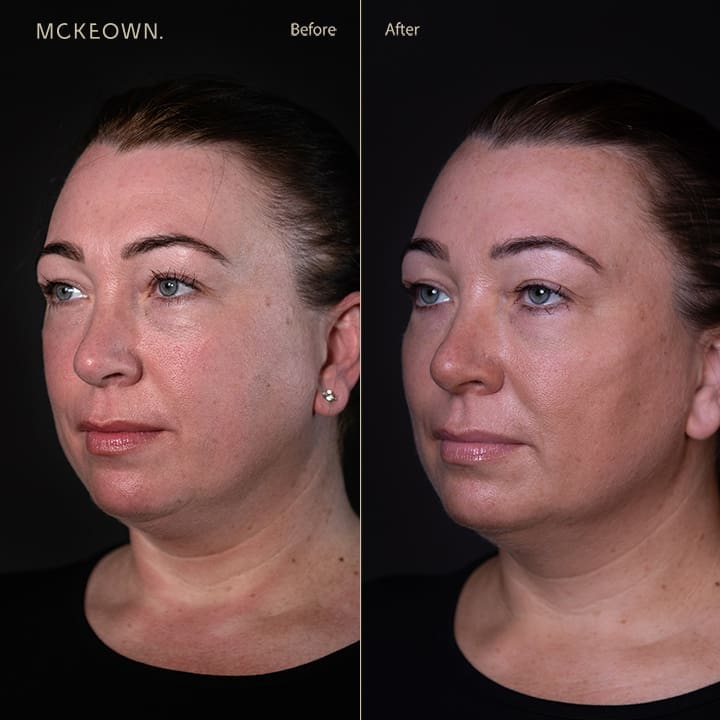
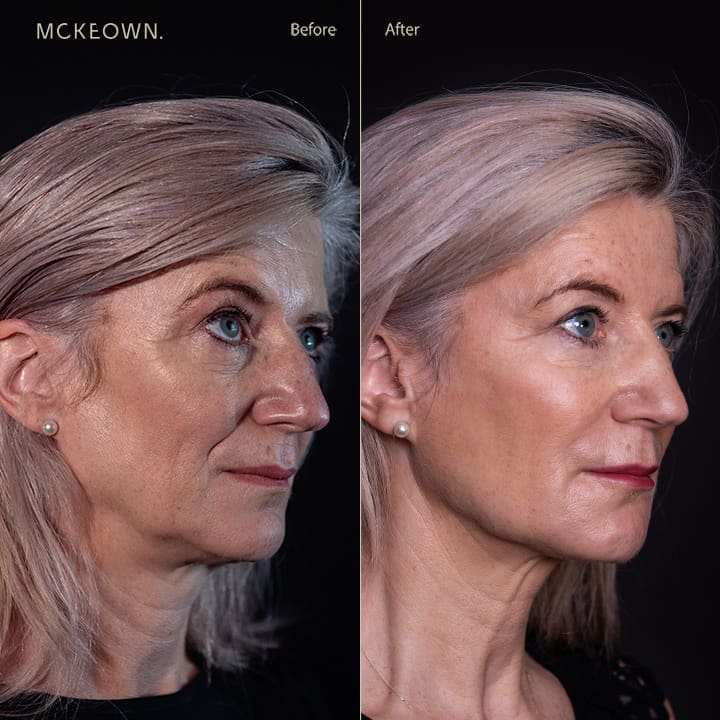
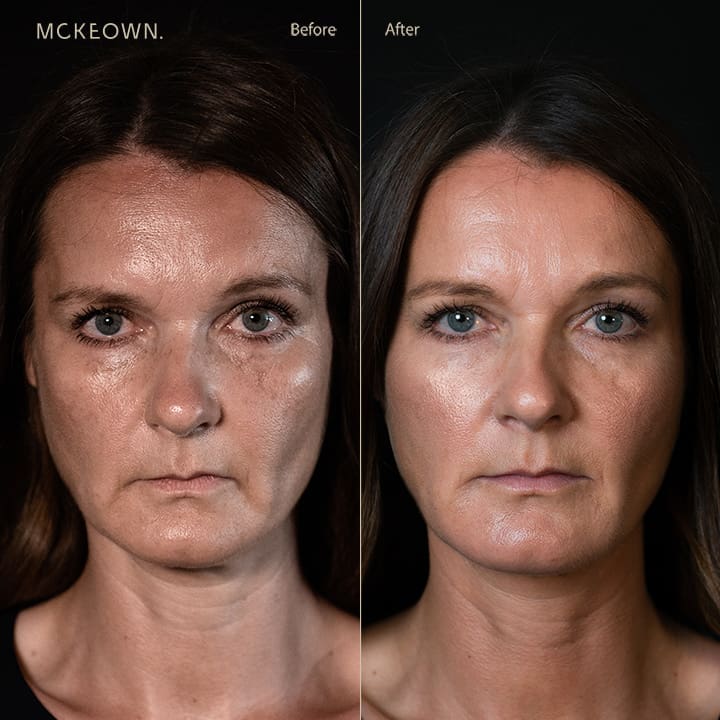
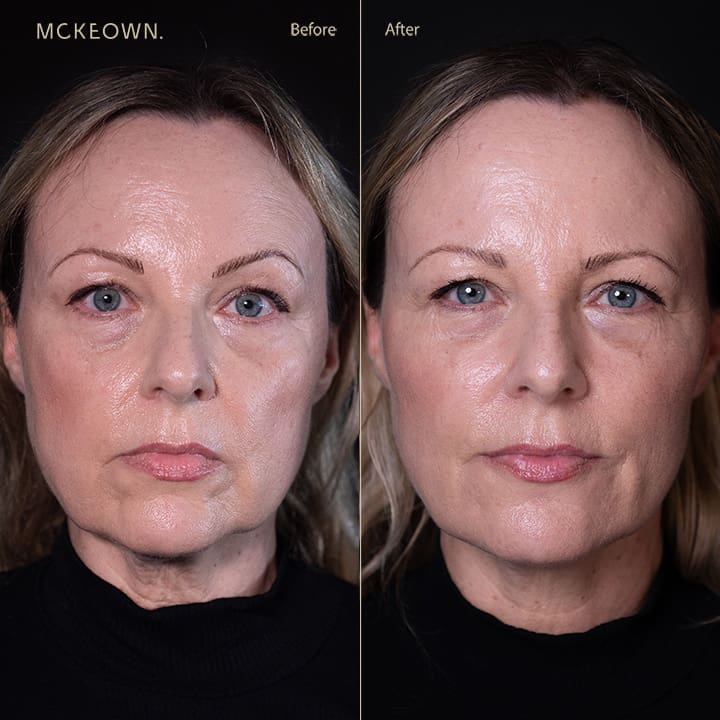
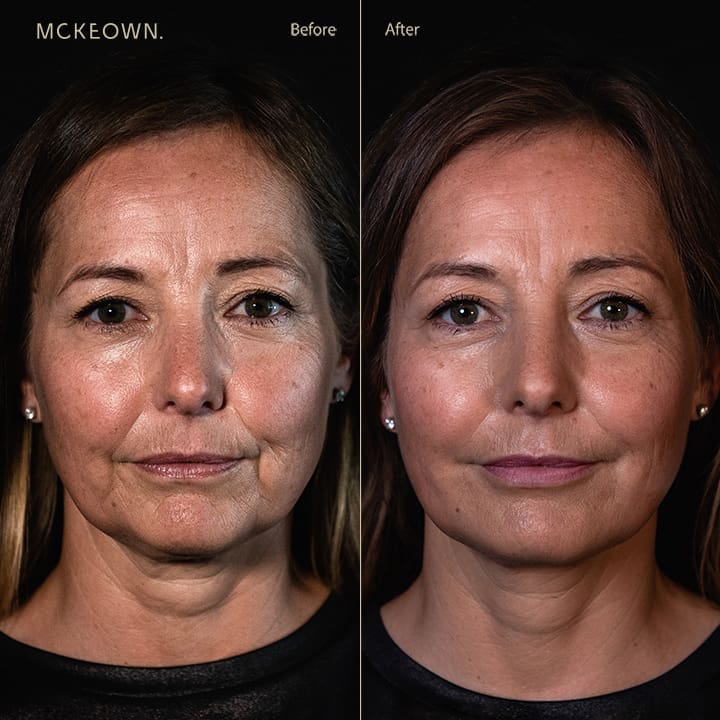
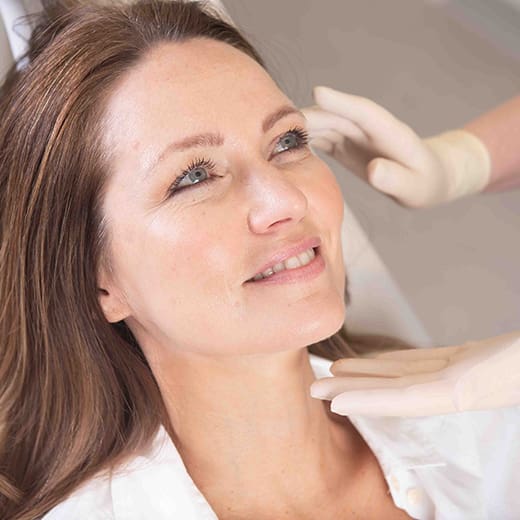
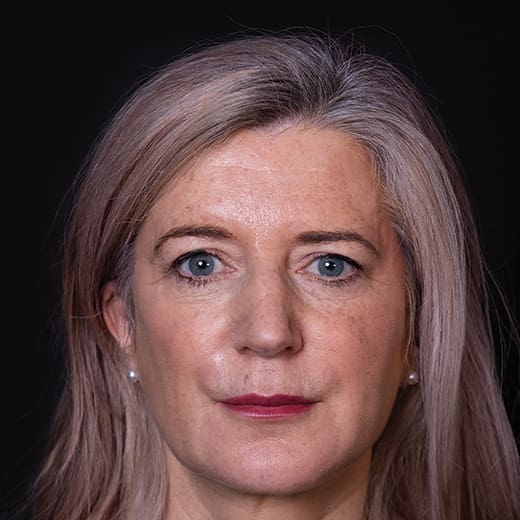
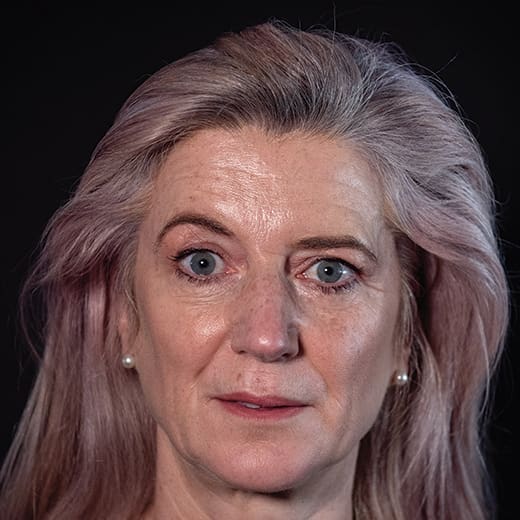
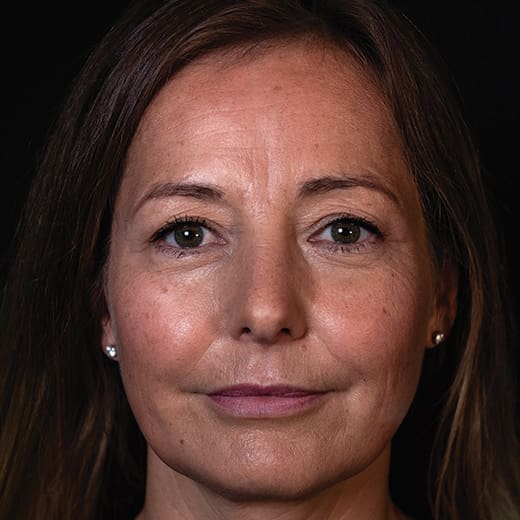
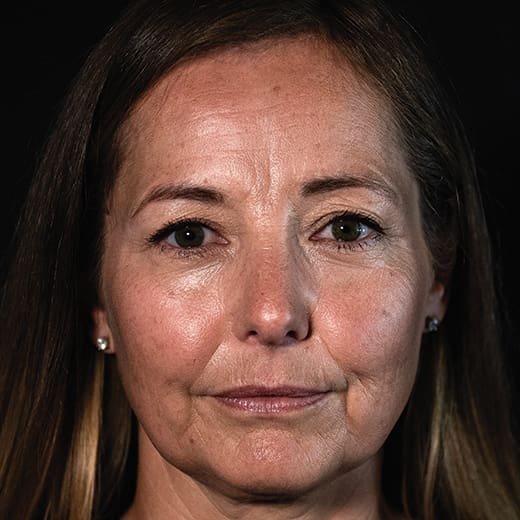
Dermal filler treatments are one of the most significant advances in modern cosmetic medicine. They are one of the most powerful anti-ageing tools available to reverse the signs of ageing, without having surgery. Used properly – by expert doctors – they can achieve stunningly natural rejuvenations, like the examples on this page.
Dermal filler treatments are one of the most significant advances in modern cosmetic medicine. They are one of the most powerful anti-ageing tools available to reverse the signs of ageing, without having surgery. Used properly – by expert doctors – they can achieve stunningly natural rejuvenations, like the examples on this page.
Every patient is unique, and during our consultation process, we work with you to develop a bespoke treatment plan based on what you want to achieve.
From 15 minutes to 1 hour
Local
None
Up to 2 years
From £300
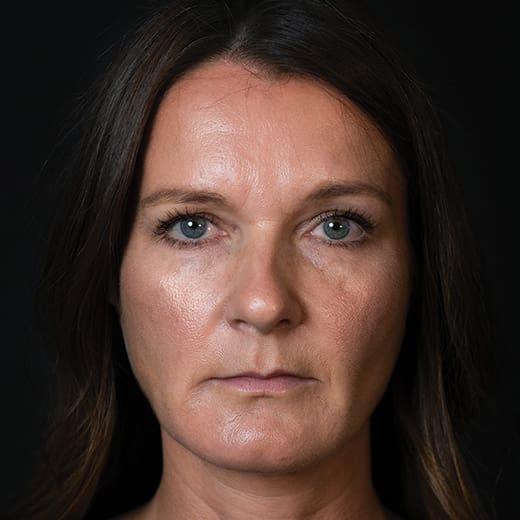
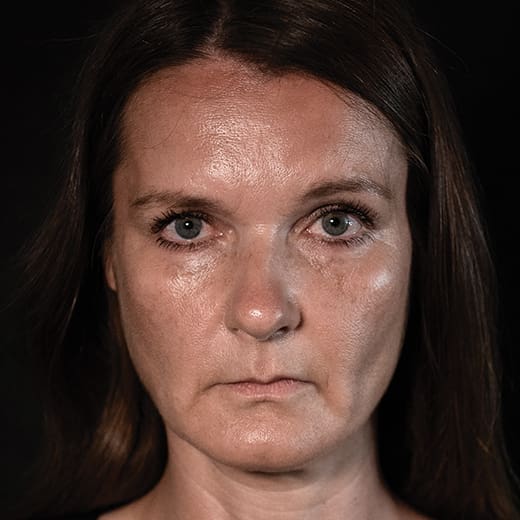
Dermal fillers are one of the most significant advances in aesthetic medicine because they allow us to restore facial volume in a very controlled way, with a minimally invasive procedure.
1 / 5
Dermal fillers are one of the most significant advances in aesthetic medicine because they allow us to restore facial volume in a very controlled way, with a minimally invasive procedure.
3 / 5
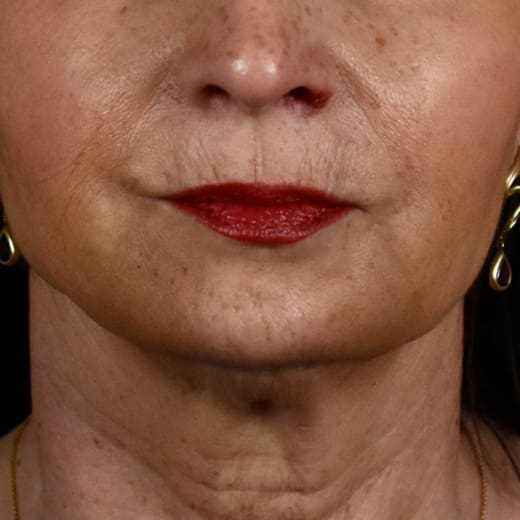
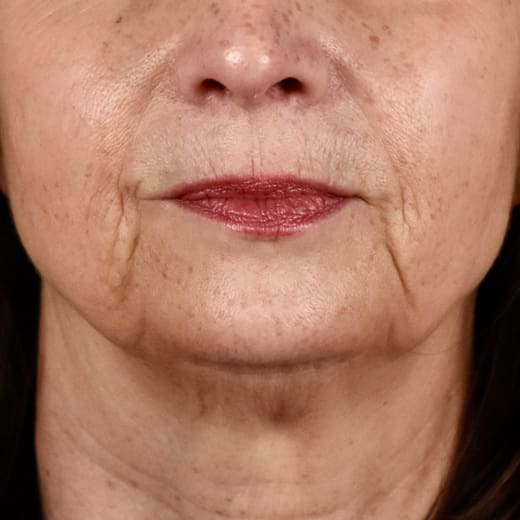
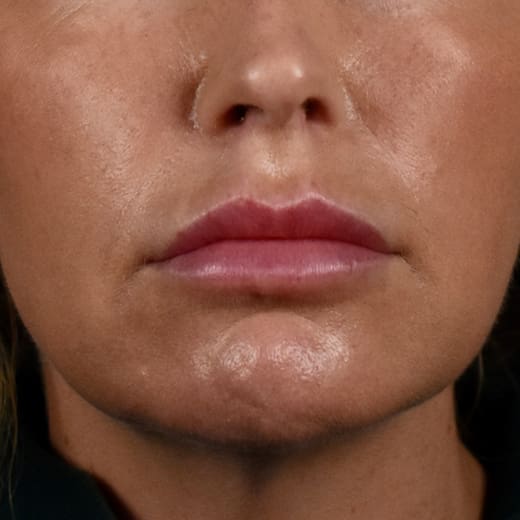
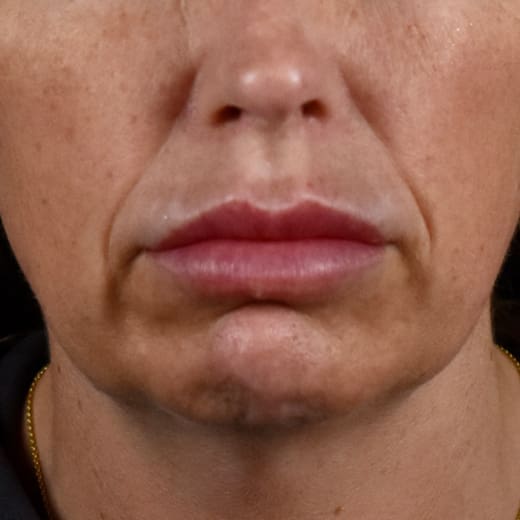
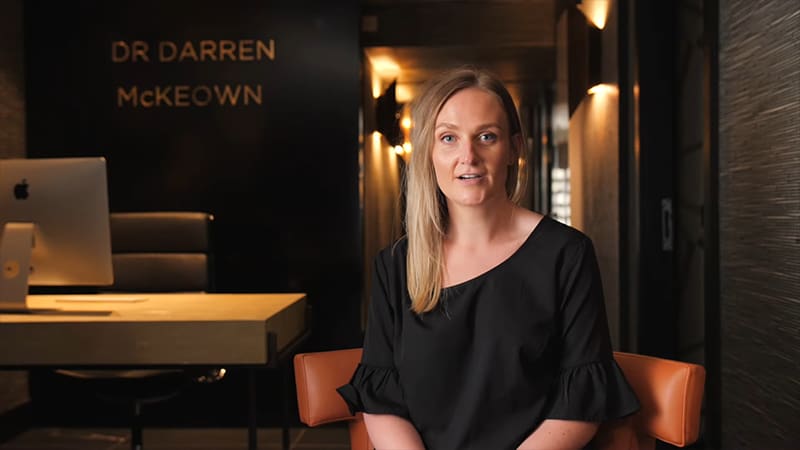
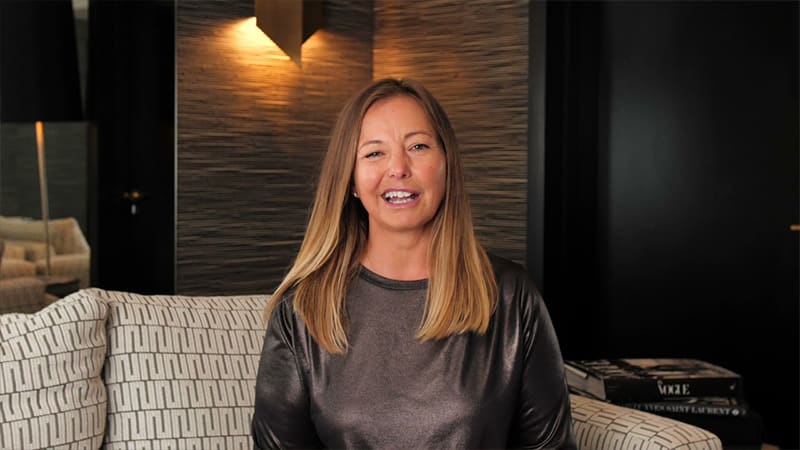
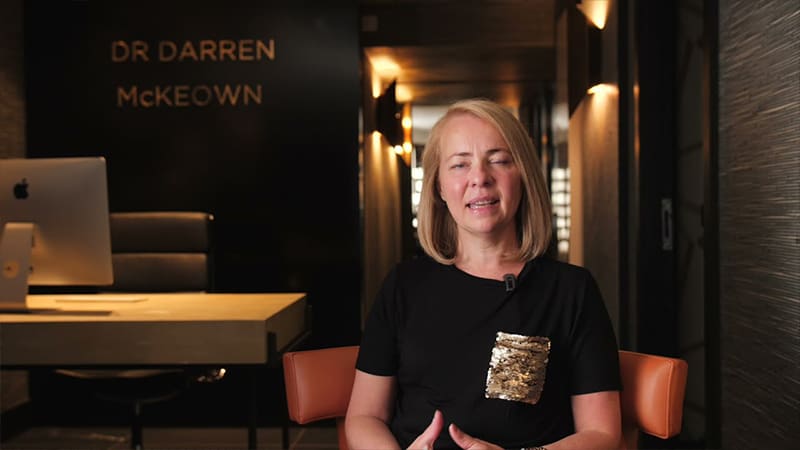
Hear from our patients about their experience of dermal filler treatments at McKeown Medical.
1 / 4
2 / 4
3 / 4
4 / 4
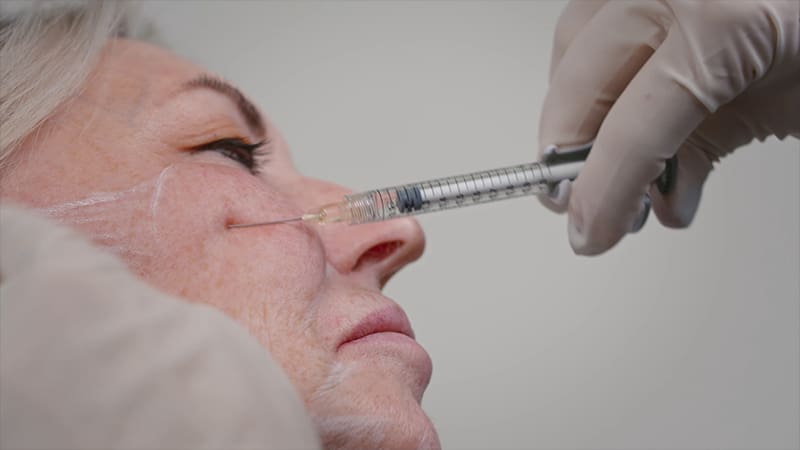
Injectable facial fillers (dermal fillers) are a non-surgical treatment that uses manufactured HA filler to restore facial volume through a relatively quick and simple injection. A dermal filler adds volume that reduces deep lines and dynamic wrinkles, thus restoring youthful and aesthetically-balanced facial contours.
As easy as it sounds, choosing the right anti-wrinkle dermal filler and injecting just the right amount in the right places is paramount to achieving long-lasting results. When injecting dermal fillers into the face, experience and judgement are key to achieving a natural look.
A patient before and after treatment at McKeown Medical.
Injectable hyaluronic acid (HA) is our filler material of choice. The reason we use hyaluronic acid is that its safe, long lasting and reversible. Hyaluronic acid is a structural molecule that we have present naturally in our skin and connective tissue. The gel can be reproduced in the lab, and manufactured into a range of physical characteristics – from thick gels that are firm, like cement, to thin gels that are almost like water – and everything in between. This means we can chose from a range of gels, depending on the area we are treating and what we want to achieve.
There are now hundreds of hyaluronic acid fillers on the market. We only use the best quality products from Allergan, known commercially as Juvederm. We use this range because it has the most data on its safety and efficacy and we know that their products last a long time. We never compromise on product quality or safety.
The risk of adverse reaction to hyaluronic acid filler is approximately 1 in 1000. This typically doesn’t happen immediately following treatment: characteristically if this happens it is several months after treatment and results in the filler turning hard or lumpy. If this happens, it is necessary to remove the filler – which can be achieve by injecting a dissolving agent.
When dealing with cosmetic treatments for the face, whether lip fillers or a dermal filler for fine lines, it is always essential to think of “what happens if things go wrong”, and it is essential to have a get-out-of-jail card. Hyaluronic acid dermal fillers give you that peace of mind.
Juvederm Voluma – which is one of the most popular products we use – is now licensed to last up to two years. Our advice is that when you achieve an optimal correction, you may chose to have a touch up around 18 months later to maintain the result, although top-ups typically involve smaller volumes.
The press is often critical of celebrities who have had ‘too much’ filler. However, this is often because the anti-wrinkle dermal fillers have been injected into the wrong places. The duck-lipped look is not a sign of good fillers.
Dermal fillers should be subtle in a way that enhances your features without being obvious.
When it comes to using a dermal filler like hyaluronic acid for deep facial lines and wrinkles, it is not just a case of how much to inject but, more importantly, where to inject it. In the right place and with the right amount, facial fillers are an effective, non-surgical way to create a plumping effect and achieve overall younger-looking skin.
These are some of the most popular areas of the face that dermal fillers can be used on, and how to tell if you might benefit from a dermal filler treatment in those areas
A patient before and after treatment at McKeown Medical
As the face ages, changes in the facial skeleton occur due to bone resorption. This can drastically impact the appearance of the face because of the hollow structure of the under-eye area. These are often the first areas to show signs of ageing.
For this reason, the under-eye hollows are one of the areas that benefit the most from dermal fillers.
Sometimes this is improved simply by restoring volume in the cheek alone. In other cases, it requires a dermal filler injection on top of the bone directly below the eye.
When it comes to treating the under eye hollows, less is always more.
A patient before and after treatment at McKeown Medical
The nose to mouth lines (nasolabial folds) are one of the most commonly treated parts of the face when it comes to hyaluronic acid dermal fillers.
The nasolabial fold is the area between the cheek and upper lip. In some people, this fold appears with age due to your cheek or midface losing volume. In other people, it is present since childhood or adolescence because of prominent cheeks that project over the lip. This is common in women with high cheekbones.
Making the distinction between the first group and the second group is vitally important. In the first group, where the fold has appeared with age, treating it with dermal fillers can help provide a rejuvenating result. However, treating the nasolabial fold in the second group of women who have had it as a feature of their face since their teenage years will almost always result in an unnatural look, particularly when they attempt to smile. For the second group, it is usually better to treat the cheek itself rather than the nasolabial fold.
Treatment with a small amount of 2mls filler in the cheeks.
As we age, our faces begin to feel the pull of gravity and start drooping. There are few places where skin contour deficiencies are more apparent than on the cheeks.
Assessing the contour of the cheek is best done from the “three quarters” or oblique view. When we look at the cheek from this angle, an aesthetically ideal profile should have a slight dip (concave curve) to the lower eyelid/cheek area, a convex curve over the cheekbone itself, and a slight hollowing towards the lower cheek areas.
As we age, however, this “ogee” curve is lost and the profile view of the face becomes flattened. The goal of restoring the skin’s lost volume to the cheek area using dermal fillers is not simply to make the cheek look fatter but to recreate a more attractive facial contour.
A patient before and after a volumetric facelift at McKeown Medical.
As we lose volume in the cheeks, we also tend to hollow out in the temple area. Dermal fillers can be used on these areas too.
The signs of ageing in the temple area are quite subtle, but treating them with an anti-wrinkle dermal filler can help restore an overall softer and rejuvenated outline to your facial appearance.
A patient before and after treatment for downturned mouth corners at McKeown Medical.
One of the most common areas women want treated with facial fillers is the down turning at the corners of the mouth.
The appearance of static lines that run from the corner of the mouth down towards the chin — the ‘marionette lines’ — can dramatically change the facial appearance. Fortunately, the facial volume in this area can be quickly and effectively restored using dermal fillers.
Achieving a lifting effect is not simply a case of injecting the filler into the marionette lines, but feathering the volume across a broader area to blend the areas between the lower part of the cheek and the chin.
A patient before and after treatment for jowls at McKeown Medical
As we age, the size of the lower jaw shrinks too. This means that the overlying skin can begin to sag and appear excessive.
Restoring volume along the jawline and to the jowls using a transparent dermal filler gel-like hyaluronic acid can be an effective, non-surgical alternative to a facelift.
The treatment works very well for people who have mild to moderate jowls and a thin neck — typically in their 30s to early 50s. However, if you have severe excess tissue and sagging jowls, a surgical lift may be the best option.
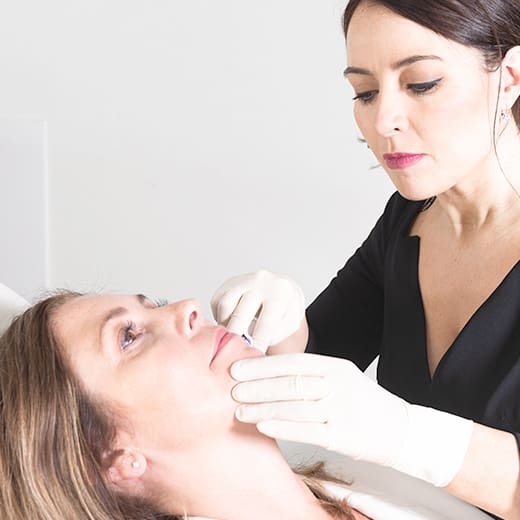
As we age, the lips lose their natural volume and shape, becoming thin and flat. Dermal fillers for the lips can be used to reverse these changes and give the lips a more voluptuous and youthful appearance. As a result, lip fillers have become popular in anti-ageing clinics.
Dermal fillers for the lips can last a long time. It is commonly believed that lip fillers last somewhere around 6–9 months, but in reality, they can easily last up to two years.
Many women are afraid to have a dermal filler injected into their lips for fear of achieving the dreaded ‘trout pout’ look. However, poor results for lip fillers are primarily a result of poor injection techniques. Done well, the lip filler results should be subtle and natural.
It is important to use a softer lip filler, usually the ones that are actually designed for filling fine lines and wrinkles. It is also, almost always, better to inject the red part of the lip rather than just the border. And in terms of volume, less is more.
It takes a lot of experience to get the balance just right with lip fillers: that’s where our decade of experience in dermal fillers is key. We are known for our dermal fillers in Scotland. When it comes to facial fillers in Glasgow, McKeown Medical is the go-to clinic for natural results.
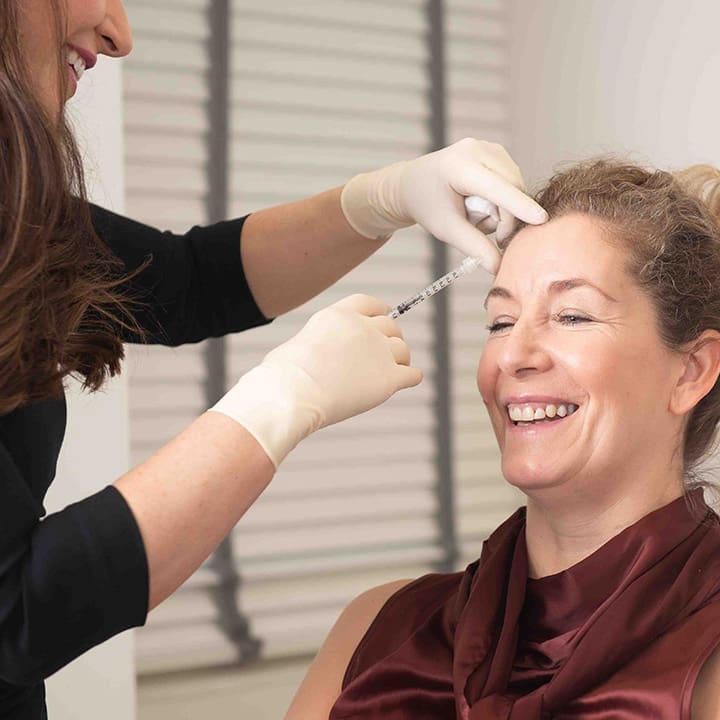
See a facial filler treatment in action at McKeown Medical.
Read reviews from our patients about their experience at McKeown Medical.
1 / 7
2 / 7
3 / 7
4 / 7
5 / 7
6 / 7
7 / 7
The whole experience was fabulous. My phone consultation was very knowledgeable and friendly and everyone in the office was so welcoming. I’ll definitely be back.
A McKeown Medical patient April 2024
I saw Dr Rhona Cameron who I have seen before. She is very welcoming and has a lovely manner. She is easy to talk to and I am very pleased with the results.
A McKeown Medical patient November 2023
Made me feel really calm and relaxed and staff from reception and treatment room were so pleasant and very professional.
Dr Darren was amazing. Made me so comfortable and so so pleasant. Such a lovely guy! Highly recommend, absolutely delighted so far – although, as advised, a bit swollen! Thank you so much.
A McKeown Medical patient April 2024
From start to finish the team and Dr Darren were so welcoming and professional. Everything was explained clearly and the results are more than I could have hoped for.
A McKeown Medical patient April 2024
I am delighted with the subtle changes that have made such a difference to my face giving me so much more confidence. Dr Darren is one of the very best so I had total trust in what he was doing. Every member of staff make you feel at ease, they are all so lovely and friendly.
A McKeown Medical patient March 2024
Dr Rhona was lovely and put me at ease before and during the treatment. I was well informed of my options prior to treatment taking place and aftercare was explained thoroughly too. Will definitely be revisiting soon.
A McKeown Medical patient March 2024
Dr Rhona was particularly kind and sensitive to my needs and her care is very patient centred.
A McKeown Medical patient October 2023

Finding the right treatment for you is the most important factor in ensuring that you are on the correct path to achieve the results you desire. Our pre-consultation form helps us to identify your needs and, ultimately, gets you on the right path to achieving your optimal results.

3:49
Avoid overfilled, unnatural results, learn how our expert techniques in facial fillers restore lost volume for a refreshed, youthful look. Understand the importance of long-term filler management and how to avoid common mistakes.
How do you have fillers and still look natural? When you look around, you see a lot of bad filler. But by definition, good filler should be invisible, so you never see it. So if we follow that logic through, it means that you only ever see bad filler. One of the most pivotal changes that happens in the faces we age is that we lose volume. We lose a bit of fat from below the skin. And this is a more recent realisation. Some of the most significant volume changes happen at the level of the bone. It’s actually quite depressing when you see the CT scan of the face of a young person and the face of an older person. Because the bones literally are withering away below the surface of the skin. So when you have that combined effect of losing bone mass and losing the soft padding of the fat, everything begins to sink. And that’s what normally results in most of the features that people associate with aging. The first thing that we need to do is step back and look at the big picture. If you are someone who is now into your mid-50s or getting towards 60, your face has probably been aging and losing volume for at least two, possibly three decades at this stage. And so to truly restore, that is going to take a reasonable amount of volume restoration. In general, filler lasts much longer than any of the pharmaceutical companies care to acknowledge. In my experience, although the products are licensed to last up to two years, I think they can last much longer than that. I’ve seen patients where filler has lasted 10 years. If the filler is hanging around that long, we need to be very careful about how much we keep adding. Otherwise, we get to that point where we’ve overdone it, and we’ve crossed the line between good filler and bad filler. When you get filler for the first time, it is a really positive experience because you have been nervous about it, you’ve been apprehensive, you get it done, it looks fantastic, it makes you feel fantastic. The temptation then that you then have in your head is more filler is going to make me look better, it’s going to make me feel better. And it can almost become a sort of psychological crutch that, whenever you feel you need a little pick-me-up, a little bit more filler is the answer. Work from the outset to establish how much volume is going to be required, get us to that point. But when we get there, we need to really take the foot off the gas and go much slower with the touch-ups. So what we normally do is see our patients back a couple of times a year for other times of skin treatments. And whilst they’re here, we just keep a little eye on the volume. And when we get to the point where we look and say, okay, the volume’s starting to decrease again, we add very conservative amounts. You need to find a doctor or a clinic that you trust to give you honest advice so that if you come back and you ask for more filler, you need to trust their judgment that they’re going to look at you and give you the correct advice that is, actually the volume’s okay right now, let’s look at why you’re feeling this way, rather than, yeah, you want more filler, let’s whack it in. Because that’s how you end up in the position where things look unnatural. Any questions or suggestions for future content, please pop them in the comment section. And don’t forget to like and subscribe to our channel. Thank you.
1:09
At McKeown Medical, Dr Rhona Cameron discusses the ideal filler candidate, typically someone experiencing facial volume loss, though younger patients may benefit too. A thorough consultation considers your medical history and aesthetic goals to create a safe, effective treatment plan. Discover if you’re a good candidate by booking your personalised assessment.
Good candidates for fillers are people who are starting to display signs of volume loss, such as fine lines, wrinkles, loss of facial contours, and sagging. Most of our filler patients are in their 40s to 70s when the signs of volume loss become more apparent on the face. Although we do sometimes use filler in younger patients, it’s usually to correct an issue like an under-projected chin or a bump on the nose. It’s important to have realistic expectations, and we will advise exactly what you can expect from your treatment. We will take your medical background and any medications into account, but most people will be suitable for treatment. Contraindications include active skin infections, a history of severe allergic reactions to filler ingredients, or certain autoimmune disorders. Patients on blood-thinning medications or with bleeding disorders should also be aware that you are more likely to bruise after treatment. We will always conduct a detailed consultation to review your medical history, current medications, and aesthetic goals. This comprehensive assessment ensures that fillers are a safe and effective option tailored specifically for your needs.
0:39
Dr Rhona Cameron shares that modern dermal fillers often last longer than expected, frequently up to 18 months or more. With carefully timed treatments, McKeown Medical ensures patients avoid overfilling and achieve subtle, natural enhancements. Find out how long-lasting results could work for you during a tailored consultation.
Typically, dermal fillers last much longer than people are expecting. The fillers are often licensed to last up to 12 months, but they usually last much longer than this, particularly the more modern types of filler, which have been formulated to have characteristics very similar to the tissue that you lose as part of the ageing process. It is pretty rare for us to repeat a filler treatment in less than 18 months. This is an important part of achieving natural results – if you top up too frequently, you can get a build-up of product and start to look overdone. During your consultation, we will tailor your treatment plan to exactly what you require at this stage.
3:50
Should you get fillers or a facelift for the best anti-aging results? In this video, we break down the science of facial aging, explaining why volume loss and bone shrinkage are key factors in looking older. We discuss the benefits and risks of fat grafting vs. dermal fillers, why a facelift alone isn’t always enough, and how combining treatments can create the most natural, youthful appearance.
Should I have filler, or would I be better just saving my money and getting a facelift? That’s a question that I hear not infrequently, and I can understand why people think like that, but the honest answer here is that if you want the best, most effective natural rejuvenation, the question is not whether you want a facelift or a filler; you probably need to have both. When the face ages, it does so in many different ways. We used to believe that it was all down to gravity, which is why in decades gone by, surgeons focused their effort on pulling the tissues as tight and tight and tight as they could. But no matter how tight they pulled, they didn’t make the patient look any more youthful; they just made them look more stretched and odd. And the reason is that, actually, gravity plays only a minor role in the underlying cause of facial aging. We now know that the main driver of facial aging is the loss of volume, and we don’t just lose volume from the fat in the face; we also lose bone. As we’re getting older, all of the bones in the face are gradually shrinking. So there is less material under the skin holding the tissues in place. So if you want to achieve a really effective rejuvenation as well as repositioning tissues, you also need to restore the volume. This doesn’t mean that a facelift is not an effective option. It is otherwise, we wouldn’t be doing them. But it repositions the tissue without restoring any of the volume. And so if you want to achieve a really effective rejuvenation as well as having the facelift, you also need to add some volume back into the face. One to restore the soft suppleness of youth that you get from losing fat, but also to replace some of that bone loss that’s happening as the facial skeleton ages. So even if you have the most aggressive invasive type of facelift you will still need some sort of volume and some surgeons will do that by adding some fat grafting to the time of surgery. So that’s where we take some fat from another part of the body where we’ve got a little bit of excess and inject it into the face. It’s not a bad idea, but it’s not our preferred method here. Fat grafting is a permanent solution, which means that it is there forever, and there is no going back. And if you gain weight in the future, then the fat transfer is going to expand. So what starts off looking kind of natural, actually, you gain a few pounds, and your face expands with the weight gain, and all of a sudden it looks unnatural and overdone. We prefer using off-the-shelf fillers because they are more customisable, they’re temporary, and if anything happens, we can dissolve them. The fat transfer is not a bad idea, but it does come with the risks. We feel that the fillers that we can inject are a safer and more consistent approach. So there you have it. It is not usually a question of should I have a facelift or should I get fillers. If you want the best result, you really need to have both. Any questions or suggestions for future content, please pop them in the comment section and, don’t forget to like and subscribe to our channel. Thank you.
0:42
At McKeown Medical in Glasgow, Dr Rhona Cameron explains that wrinkles do not worsen after fillers wear off. Instead, the skin gradually returns to its original state, ageing naturally. Regular top-ups every 18 months and a personalised maintenance plan ensure long-lasting, natural-looking results. Book a consultation to maintain your rejuvenated appearance.
No, wrinkles will not look worse after your fillers wear off. Fillers are designed to restore volume and soften lines that naturally occur as we age. Over time, the filler gradually dissolves, and your skin goes back to the way it was before, ageing at the normal pace. To maintain optimal results, we recommend performing top-ups every 18 months or so. Regular filler treatments, along with proper skincare, sun protection, and a healthy lifestyle, can help prolong the effects. During your initial consultation, we will come up with a personalized maintenance plan that may include additional treatments like laser resurfacing to ensure your rejuvenated appearance remains natural and balanced.
0:46
Natural results are at the heart of McKeown Medical’s philosophy. Dr Rhona Cameron uses conservative techniques and bespoke treatment plans to subtly restore facial volume while preserving your individual features. Trust in one of Europe’s leading cosmetic clinics to deliver results that look and feel like you.
Achieving natural results is central to our approach. We begin with a detailed consultation to assess your concerns and desired outcomes, taking into account your unique facial anatomy to ensure that any enhancements complement your natural features. By using conservative techniques and carefully selecting the appropriate filler type and volume, we can restore lost volume while ensuring that your natural appearance and expressions remain the same. Our meticulous injection methods focus on subtle enhancements, resulting in a refreshed appearance that looks completely natural. Natural looks are the cornerstone of our practice, and our reputation for producing subtle refinements is what has led our practice to be among the biggest in Europe.
Your treatment plan will be tailored to your individual needs and the results you are looking to achieve.
Check our full price list for detailed pricing.
There may be some discomfort when you get dermal fillers because of the injections, but we ensure your comfort during the procedure by offering two options for minimising pain: numbing cream that numbs the surface of the skin or a local anaesthetic that numbs the entire mouth area.
There is still some discomfort with the cream because it only has a partial numbing effect, but most people handle this well. Injecting a local anaesthetic into the mouth makes the entire mouth area numb, making the treatment painless. The only downside of using anaesthesia when getting anti-wrinkle dermal fillers is that the numbness takes a few hours to wear off.
The option you choose will depend on your pain threshold and personal preferences.
Most dermal fillers are temporary and can last anywhere from 3–4 months up to around 2–3 years. Therefore, dermal filler treatments must be repeated to maintain the results and keep those wrinkles and lines at bay. As a result, there has been a desire to develop long-lasting or permanent fillers.
Although permanent fillers may seem attractive, there is real potential for long-term problems with them. Complications with dermal fillers are not common, and with most of the fillers we use, the filler can be dissolved if issues arise.
With a permanent dermal filler, this is not an option. If the filler needs to be removed, it must be done surgically. Even if problems do not arise, your face will continue to age whilst the dermal filler remains the same. This will eventually look unnatural.
For these reasons, permanent dermal fillers are best avoided.
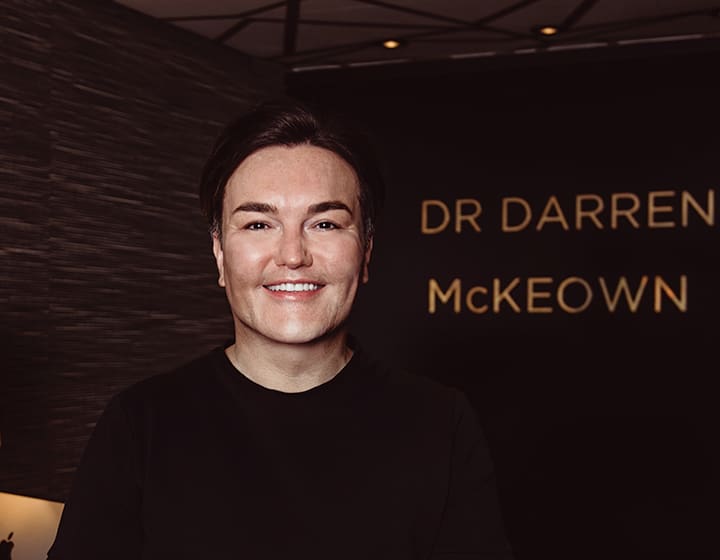
Our founder, Dr. Darren McKeown, is renowned for his expertise and artistry with dermal fillers. As a peer-reviewed medical author, he is passionate about treatments that stand up to scientific scrutiny. Above all, Dr. McKeown believes in a global approach; delivering flawless results, and rejuvenation that lasts.

Dr. Rhona Cameron is a skilled injector who has been extensively trained in Dr. McKeown’s signature intuitive technique. Her treatments blend advanced facial optimisation with powerful, energy-based devices, such as lasers, BBL, and radio frequency, energising the appearance and enhancing skin health.
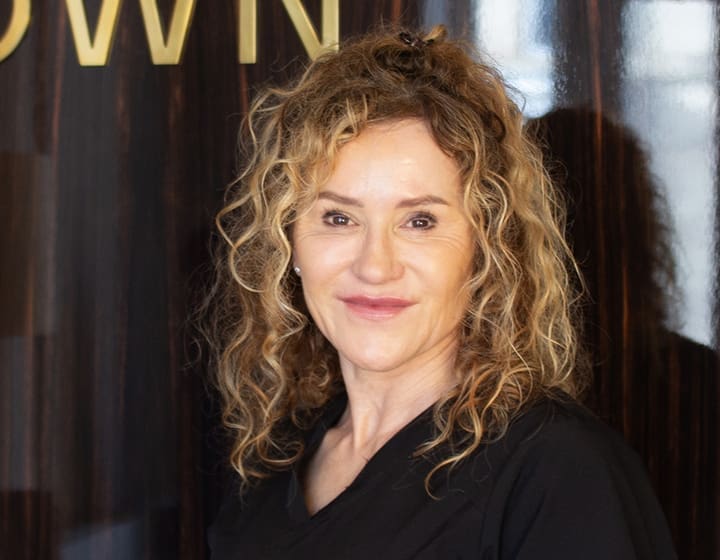
Dr. Sharon Ritchie has been a qualified doctor for over 30 years, and 10 of those years have been spent practicing aesthetic medicine. Sharon trained as a GP and practiced between general practice and aesthetic medicine before joining McKeown Medical to pursue her passion for aesthetic medicine on a full-time basis.
1 / 3
2 / 3
3 / 3
Our founder, Dr. Darren McKeown, is renowned for his expertise and artistry with dermal fillers. As a peer-reviewed medical author, he is passionate about treatments that stand up to scientific scrutiny. Above all, Dr. McKeown believes in a global approach; delivering flawless results, and rejuvenation that lasts.
Dr. Rhona Cameron is a skilled injector who has been extensively trained in Dr. McKeown’s signature intuitive technique. Her treatments blend advanced facial optimisation with powerful, energy-based devices, such as lasers, BBL, and radio frequency, energising the appearance and enhancing skin health.
Dr. Sharon Ritchie has been a qualified doctor for over 30 years, and 10 of those years have been spent practicing aesthetic medicine. Sharon trained as a GP and practiced between general practice and aesthetic medicine before joining McKeown Medical to pursue her passion for aesthetic medicine on a full-time basis.
1 / 3
2 / 3
3 / 3
Keep up to date with the latest news from McKeown Medical and get access to expert insights, our latest before and afters and exclusive offers.



McKeown Medical
167 Bath Street, Glasgow, G2 4SQ
Copyright 2026 © Dr Darren McKeown - Cosmetic Surgery Clinic, Glasgow