McKeown Medical
167 Bath Street, Glasgow, G2 4SQ
McKeown Medical
167 Bath Street, Glasgow, G2 4SQ




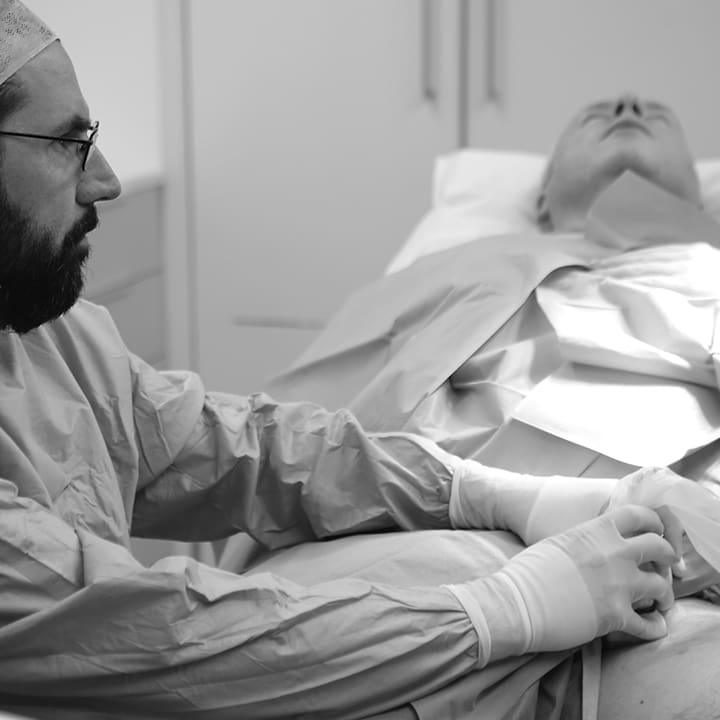
Foam sclerotherapy is a minimally invasive treatment for varicose veins and spider veins. It involves injecting a specialised foam solution into the affected vein, causing it to collapse and eventually be absorbed by the body.
Foam sclerotherapy is a minimally invasive treatment for varicose veins and spider veins. It involves injecting a specialised foam solution into the affected vein, causing it to collapse and eventually be absorbed by the body.
Every patient is unique, and during our consultation process, we work with you to develop a bespoke treatment plan based on what you want to achieve.
1 hour
Local
Typically none
Long term
From £900
Foam sclerotherapy is particularly effective for treating smaller varicose veins that are not suitable for or don’t fully respond to treatment with radiofrequency ablation (RFA) or VenaSeal™. Foam sclerotherapy is usually employed as an adjunct to RFA or VenaSeal™ procedure to take care of smaller vessels that don’t respond to the bigger treatments. Rarely, it can be used as a first line treatment – although using it in high volumes to treat large veins is associated with a higher risk of deep vein thrombosis, which is why we reserve its use for only small residual veins rather than as a primary treatment for varicose veins.
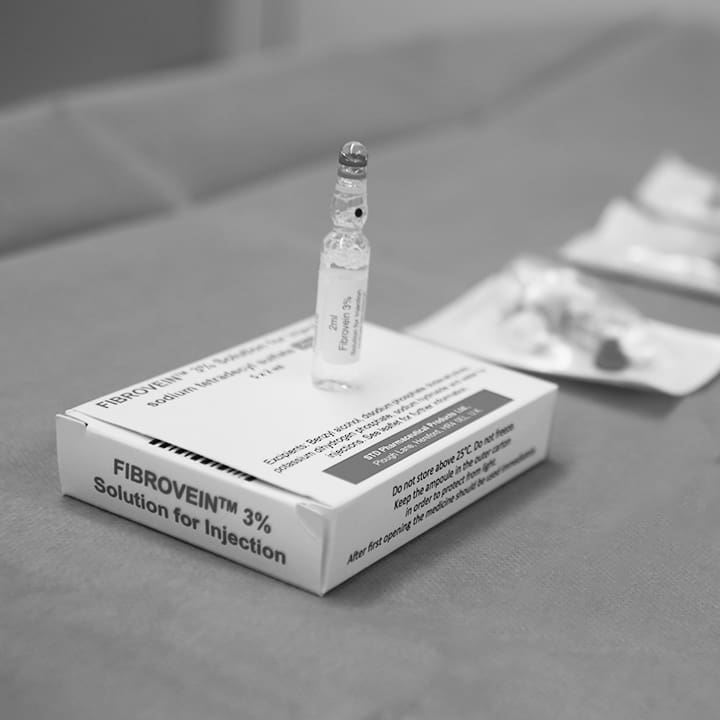
The foam is composed of sodium teradecyl suphate (STS) and air. The STS diplaces blood and removes the “non-stick” inner lining of the injected vein. This causes the abnormal vein to clot and become blocked thus rerouting blood flow to healthier veins. The treated veins become firm and lumpy and over time are reabsorbed by the body.
After the injection, compression bandages or stockings are applied to the treated area to help collapse the vein and reduce swelling. Compression helps to keep the treated vein closed and promotes healing.
For patients considering their options, Foam Sclerotherapy is often used alongside other vein treatments to enhance overall results and address smaller residual veins.
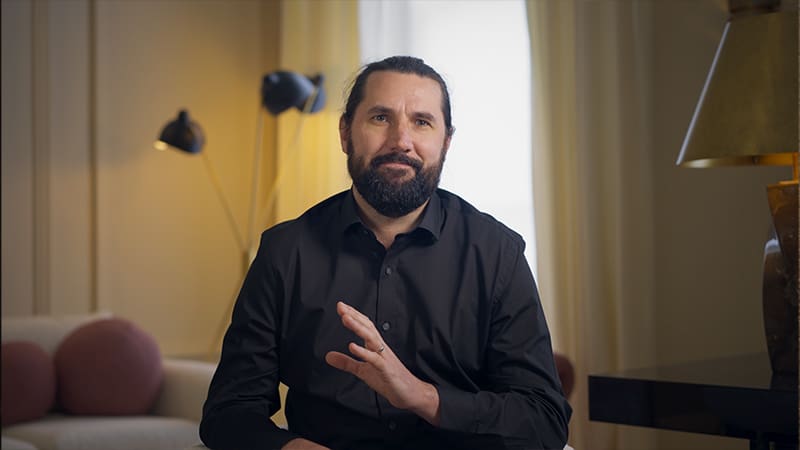
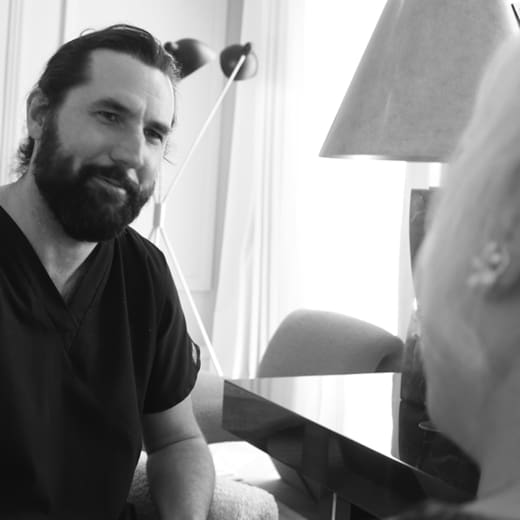
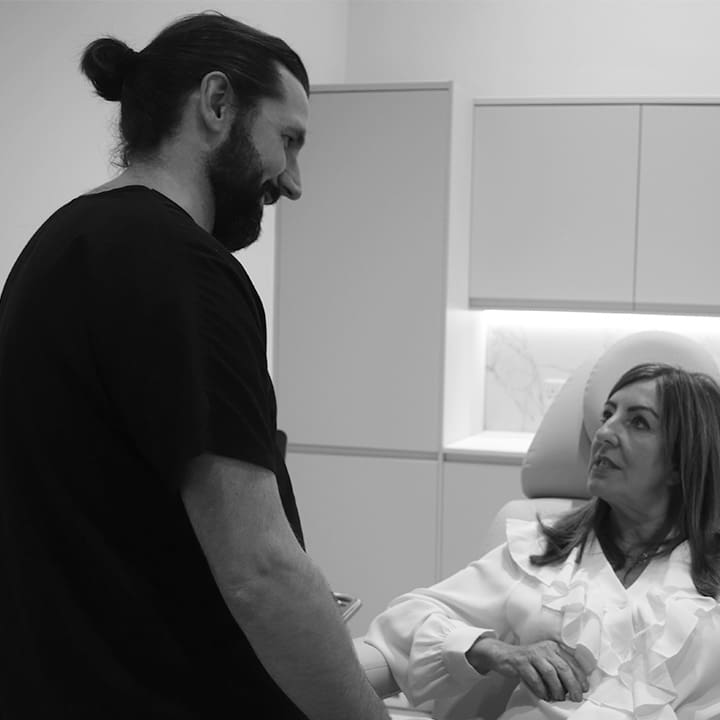
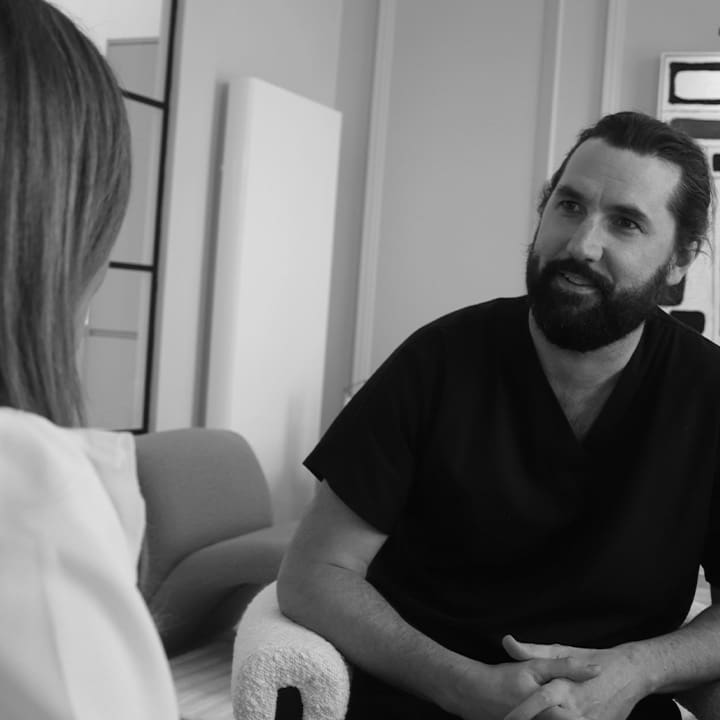
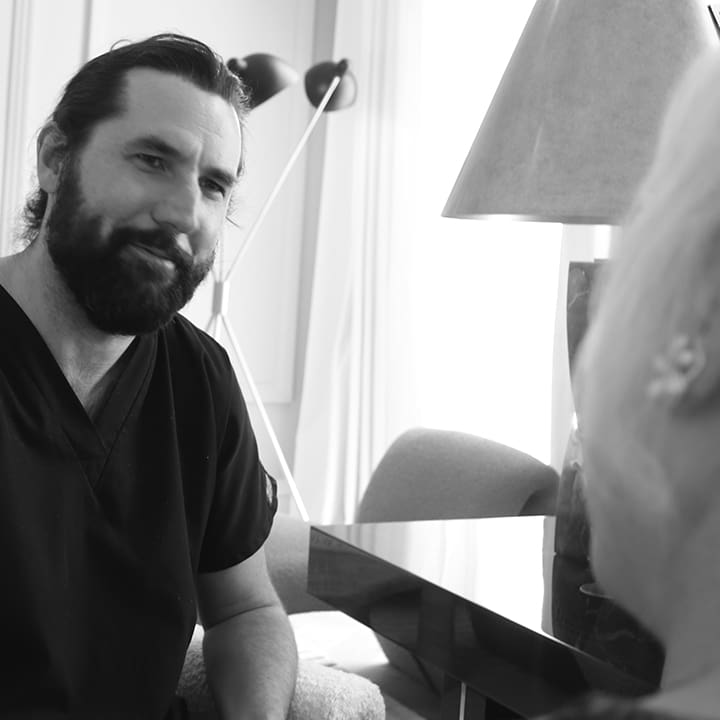
Dr Alex Vesey is our expert consultant vascular surgeon who heads up our varicose vein team. Listen to him explain the foam sclerotherapy treatment for varicose veins.
Finding the right treatment for you is the most important factor in ensuring that you are on the correct path to achieve the results you desire. Our pre-consultation form helps us to identify your needs and, ultimately, gets you on the right path to achieving your optimal results.

0:48
Ultrasound-guided foam sclerotherapy is a highly precise treatment for varicose and spider veins offered at McKeown Medical. Dr Alex Vesey uses real-time ultrasound to ensure the foam targets affected veins accurately, leading to improved cosmetic results and reduced complications. Often combined with treatments like RFA or VenaSeal, it’s ideal for smaller veins. Discover how our tailored vein treatments can restore your confidence. Contact us today.
Ultrasound-guided foam sclerotherapy is a minimally invasive procedure used to treat varicose and spider veins. During the treatment, a foam sclerosant is injected into the affected vein under real-time ultrasound guidance. The ultrasound ensures accurate placement of the foam, maximising its effectiveness and reducing the risk of complications. The foam causes the vein to collapse, seal off, and eventually be absorbed by the body, leading to symptom relief and usually an improved cosmetic appearance. This technique allows for precise treatment of problematic veins, making it a popular choice among vascular specialists for treatment of smaller veins. We often combine it with Radiofrequency Ablation or VenaSeal to treat the larger vessels.
0:49
Foam sclerotherapy boasts success rates of up to 90%, and at McKeown Medical, Dr Alex Vesey often recommends multiple sessions to achieve the best results. As a safe and minimally invasive procedure, it’s an excellent option for those wanting to improve both symptoms and appearance of varicose veins. Find out how we can help you feel more confident in your legs. Schedule your personalised assessment today.
Foam sclerotherapy is a well-established and proven treatment, with success rates typically ranging from 70% to 90% for reducing or eliminating varicose veins. It is commonly necessary to come back for a second or even third session of foam if we aren’t able to get rid of all the veins at the first treatment. Sometimes this is because there are too many veins to be sensibly treated in one session, sometimes because a single treatment isn’t enough to completely seal off the veins the first time. Many patients experience significant improvement in both the appearance and symptoms affecting their legs. The minimally invasive nature of the procedure contributes to its favourable outcomes and quick recovery time. Overall, foam sclerotherapy remains a trusted option for many patients seeking to improve their varicose veins.
0:38
Following foam sclerotherapy, patients at McKeown Medical often see their treated veins begin to fade within a few weeks. Dr Alex Vesey notes that while veins may initially appear more pronounced, they gradually improve over time. Wearing compression stockings aids healing, and most people return to normal activities almost immediately. Ready for clearer, more comfortable legs? Let our team guide you through the recovery process.
Usually, with a successful treatment, the veins will seal off and become firm and tender. Indeed, they will initially look and feel worse. With time, the body then reabsorbs the now closed veins, and they will begin to fade. Initial improvements in appearance can be seen as early as two to three weeks post-procedure, while optimal outcomes may take up to three months. Recovery is generally quick, with most patients able to resume normal activities immediately, although we do ask you to wear compression stockings for the first week. Overall, patience is key, as the body naturally eliminates the treated veins over time.
0:41
At McKeown Medical, Dr Alex Vesey ensures foam sclerotherapy is carried out with precision to minimise side effects such as bruising, swelling, or discolouration. While these are typically mild and temporary, careful technique reduces risks even further. With thorough aftercare guidance, most patients experience a smooth recovery. Book your consultation today and take a step toward clearer, healthier-looking legs.
Common side effects of foam sclerotherapy include temporary bruising, minor swelling, and a brief burning sensation of the treatment site. Some patients may also experience discolouration or itchiness along the treated veins. These effects are usually fairly mild and resolve with time. Uncommonly, some degree of discolouration may persist. To minimise risks, we use precise injection techniques and appropriate foam concentrations. Rarely, more serious complications like skin ulceration or allergic reactions may occur, but these are very uncommon. Overall, with careful administration and proper aftercare, the procedure is very safe for most patients.
0:38
Foam sclerotherapy is a low-discomfort treatment offered at McKeown Medical, where most patients report only minimal sensations during the procedure. Dr Alex Vesey explains that while you may feel a slight sting or burning, this is usually mild and temporary. The option of a topical anaesthetic is available to further ease your experience. If you’re looking for a minimally invasive solution for varicose veins, this safe and efficient technique could be the right choice for you. Book a consultation with Dr Alex Vesey to explore your treatment options.
Foam sclerotherapy is generally very well tolerated, and most patients report little discomfort during the procedure. The treatment involves injecting a foam solution into the affected veins, and while you might feel a brief sting or slight burning sensation, this is usually mild and short-lived. If you are anxious about pain, we can use a topical anaesthetic cream. Additionally, the foam formulation itself is designed to distribute evenly within the vein, reducing localized irritation. Overall, the procedure is considered low-pain, and most patients are able to resume normal activities almost immediately after treatment.
0:42
At McKeown Medical in Glasgow, Dr Alex Vesey prioritises safety in every treatment, including foam sclerotherapy. While there is a small risk of blood clots, this is minimised through controlled foam dosing, ultrasound guidance, and post-procedure movement. With these safety protocols, complications are rare. Discover expert-led, low-risk care tailored to your needs. Speak with our team today to find out if foam sclerotherapy is right for you.
While foam sclerotherapy is generally safe, all procedures on the leg veins carry a small risk of blood clots forming, especially if proper technique isn’t followed. To minimise this risk, we carefully control the volume and concentration of the foam and use ultrasound guidance to ensure accurate delivery. We also limit the use of foam to the smaller, more superficial veins and do not use it to treat the larger underlying veins. We encourage our patients to move and walk soon after treatment, which helps promote healthy blood flow and reduces the likelihood of clot formation. With these precautions in place, the occurrence of blood clots is uncommon.
0:46
After undergoing foam sclerotherapy at McKeown Medical, patients are guided through essential aftercare steps. Dr Alex Vesey advises avoiding strenuous activity, heat exposure, and prolonged sitting, while encouraging frequent walking to support healthy circulation. These simple measures play a vital role in a successful recovery. Let our team support your journey with expert advice and personalised care.
After foam sclerotherapy, it’s important to follow specific advice to promote healing and avoid complications. We advise our patients to avoid very strenuous exercise or heavy lifting for a week or two to prevent undue stress on the treated veins. Additionally, prolonged periods of inactivity or sitting without movement should be avoided to ensure proper blood flow. Walking as much as possible is very important; this will promote good flow of blood through the major deep veins of the leg and will reduce the risk of blood clots. You should also steer clear of hot baths or saunas for a couple of weeks after the procedure since the heat may exacerbate inflammation. Following these recommendations helps maximise the effectiveness of the treatment and supports a smooth recovery.
We believe in clear, transparent pricing. We have no vague ‘from’ prices, that suddenly increase after your consultation. The prices here are accurate and reflect what you will pay for our level of expertise, technology and service.
Patients are usually advised to wear compression stockings for several days to weeks after the procedure to support vein closure and reduce swelling. Light walking is encouraged soon after the procedure to promote circulation, but strenuous activities and prolonged standing should be avoided for a short period.
Because the foam essentially acts to destroy the inside of the vein so that the vein is reabsorbed by the body, it typically takes a while for this to happen. Initially the treated veins will be hard and lumpy and it usually takes 2-3 months to see the full results.
Additional sessions may be needed for optimal results, especially if multiple or large veins are treated. Most patients will need between 1 and 3 sessions of foam injection, depending on their circumstances.
The risks associated with small amounts of foam injection are low and the procedure is characterised by a high degree of safety. Some bruising, localised lumpiness and tenderness are to be expected following the treatment. Significant inflammation of the blood vessels (thrombophlebitis) occurs in 5% of patients. Permanent marking of skin (usually a bluish or reddish patch at the site of injection can affect between 10-30% of patients. An area of superficial skin necrosis (skin ulcer) can occurs rarely. There is also a very small risk of stroke (1 in 10,000 patients) if you happen to have an undiagnosed hole in the heart. Very rarely, it’s possible to have a serious allergic reaction to the foam. Deep vein thrombosis affects approximately 1 in 100 (1%) patients. This requires immediate medical attention to prevent it from progressing to a pulmonary embolism.
As always, the key to achieving the best outcome is to ensure you are treated by a fully qualified and experienced vascular surgery specialist. Make sure you feel you have a relationship you can trust with your doctor and follow their guidance on the best treatment options for you, including all of their aftercare instructions.
The risk of recurrence is around 20% following foam sclerotherapy. It is also possible to develop new varicose veins after the initial treatment, so it’s sometimes necessary to repeat the treatment.
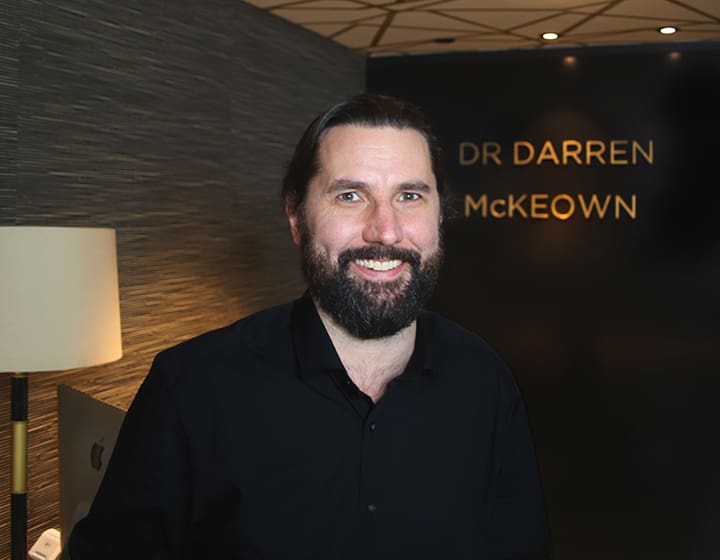
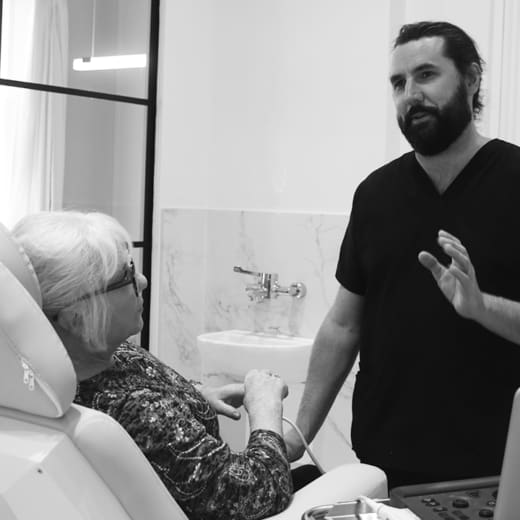
Our vascular surgery service is led by Dr. Alex Vesey. Alex is a highly skilled vascular surgeon with extensive experience in diagnosing and treating a wide range of vascular conditions. With a focus on minimally invasive techniques, Dr. Vesey is dedicated to providing patients with the most advanced and effective treatments for venous diseases, with a particular interest in the treatment of varicose veins.
Our vascular surgery service is led by Dr. Alex Vesey. Alex is a highly skilled vascular surgeon with extensive experience in diagnosing and treating a wide range of vascular conditions. With a focus on minimally invasive techniques, Dr. Vesey is dedicated to providing patients with the most advanced and effective treatments for venous diseases, with a particular interest in the treatment of varicose veins.
We offer a full range of treatments for varicose veins, each one tailored to your own unique circumstances.
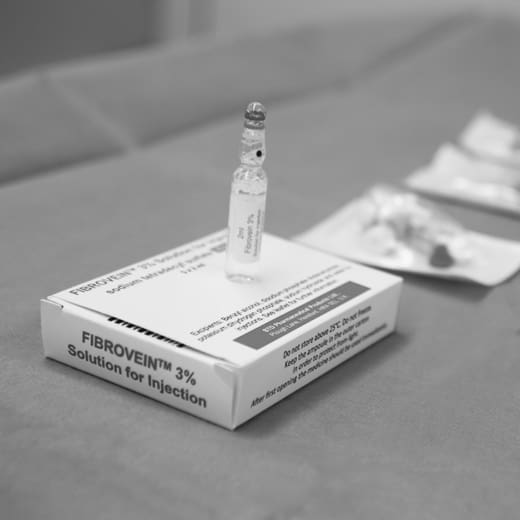
Foam sclerotherapy is an advanced form of sclerotherapy used to treat larger varicose veins, particularly those that may not respond...
Varicose veins are enlarged, twisted veins that often appear just under the skin, primarily in the legs and feet.
1 / 3
2 / 3
3 / 3
Foam sclerotherapy is an advanced form of sclerotherapy used to treat larger varicose veins, particularly those that may not respond...
Varicose veins are enlarged, twisted veins that often appear just under the skin, primarily in the legs and feet.
Keep up to date with the latest news from McKeown Medical and get access to expert insights, our latest before and afters and exclusive offers.



McKeown Medical
167 Bath Street, Glasgow, G2 4SQ
Copyright 2026 © Dr Darren McKeown - Cosmetic Surgery Clinic, Glasgow