McKeown Medical
167 Bath Street, Glasgow, G2 4SQ
McKeown Medical
167 Bath Street, Glasgow, G2 4SQ





Menopause is a natural transition that all women experience, marking the end of menstrual cycles. It occurs due to significant changes in hormone production and this has widespread effects both physically and emotionally. Menopause is not just a biological milestone; it is a crucial period of transformation in a woman’s life.
Menopause is a natural transition that all women experience, marking the end of menstrual cycles. It occurs due to significant changes in hormone production and this has widespread effects both physically and emotionally. Menopause is not just a biological milestone; it is a crucial period of transformation in a woman’s life.
At McKeown Medical, we have developed a range of services for patients experiencing the menopause, from consultations and wellness checks to our unique menopause subscription service, designed to give you continuity of care with our dedicated team.

Periods typically stop in our 50s, signifying the end of reproductive ability, although symptoms often develop many years before the last period. This transitional phase can last around 10 years and is known as perimenopause. Perimenopause and menopause can be an extremely challenging time for us as we navigate the huge hormonal shifts that occur and understanding this journey is essential to embracing it fully and navigating the menopause with confidence. We are here to help you take back control.
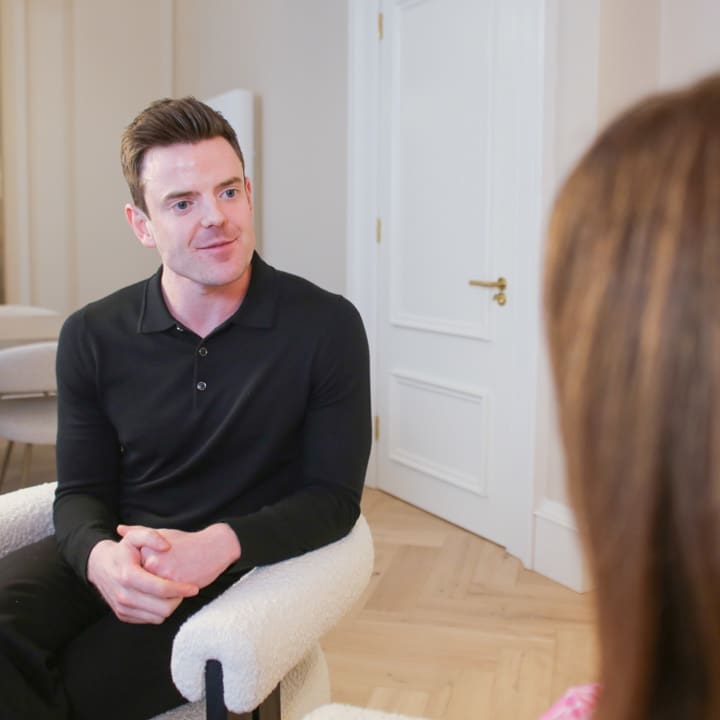
Every woman’s experience with menopause is unique, yet many face common challenges which can significantly impact quality of life including:
These symptoms can be overwhelming, but they can be significantly improved with the right advice and treatment plan.

At McKeown Medical, we believe that menopause is not something that simply must be endured. With the right help and support, it’s a journey that can be navigated with confidence and strength. Our approach to treating menopause is rooted in personalisation —no two journeys are the same.
Our expert team offers tailored hormone replacement therapy (HRT) and minimally invasive gynaecological treatments specifically designed for you. Our aim is to empower you to understand fully what’s going on, identify what your particular goals are, and work together to create a comprehensive plan that honours the unique needs of your body.

HRT is the most effective treatment for relieving menopausal symptoms and can have a number of other benefits such as reducing the risk of osteoporosis. HRT primarily works by replacing the hormone oestrogen and is often used in combination with other hormones such as progesterone or testosterone, depending upon your individual circumstances and goals. HRT can be delivered through various routes, including tablets, patches or gels allowing for flexibility based on your lifestyle and preferences. The dosage and formulation should be tailored to achieve symptom relief whilst minimizing potential side effects and risks.
Non-Hormonal Treatments
For women who cannot or choose not to use HRT, non-hormonal options are available. Our specialist team is happy to guide you in deciding on the right options for you.
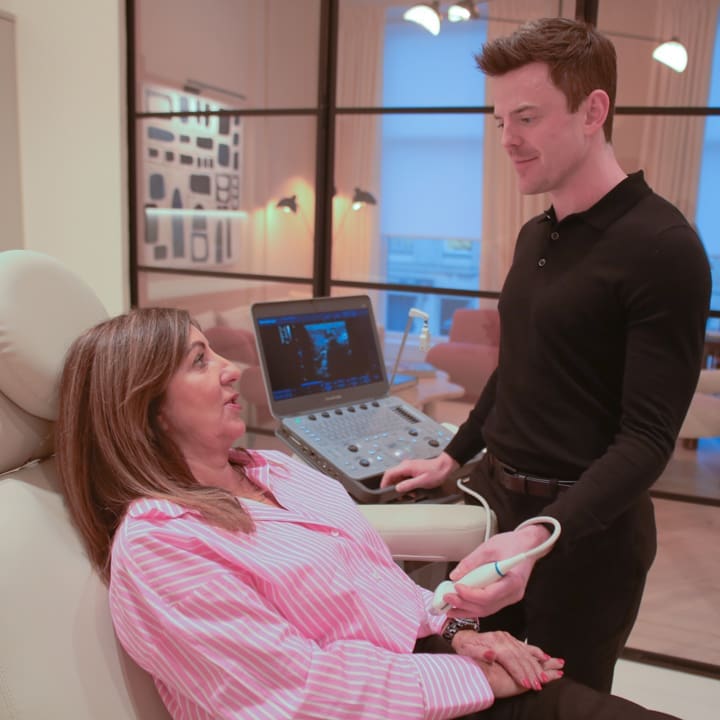
Safe and effective menopause treatment requires thorough assessment and monitoring to make sure the treatments are right for you and your body.
Some of the investigations we make as part of your treatment may include: :
These investigations ensure that treatment plans are not only effective but also safe, minimising the risk of complications and addressing any underlying conditions

True wellness extends beyond symptom management. We believe it’s about embracing a holistic lifestyle that fosters strength and longevity. At our clinic, we promote a balanced approach, encouraging you to:
As part of your journey with us, we will explore tools that inspire you to thrive throughout your menopause journey.

We recognise that some women would prefer more long term on-going care with the same specialist.
That’s why we’ve designed a range of subscriptions options which allow you to keep coming back for regular follow ups with the same expert who knows you and understands your needs.
We offer a range of subscription options so we can tailor your care to your needs and preferences.
We have a range of health consultations with options to suit your goals and priorities for your health.
We also offer subscription plans which include regular follow up appointments – at a frequency of your choosing – so you have the option to keep coming back for regular advice and monitoring with a specialist who knows you.
Your health is one of your most valuable assets, and we are here to help you protect it. Whether you are seeking relief from symptoms, guidance through life’s transitions, or proactive care, our team is ready to provide the support and expertise you need.
Contact us today to book your consultation and discover how our premium gynaecology services can help you take control of your health with confidence and ease.

1:02
Menopause brings hormonal changes that can lead to hot flushes, vaginal dryness, and mood swings. These symptoms occur as oestrogen levels fluctuate, affecting your body’s temperature regulation, skin hydration, and emotional balance. Understanding these changes is the first step in finding relief. Explore treatment options, from lifestyle adjustments to hormone therapy, for a smoother transition.
Menopause symptoms can vary widely from person to person, but they all stem from changes happening in your body during this natural transition. One common symptom is hot flushes. These sudden waves of heat are caused by fluctuations in oestrogen levels, which affect your body’s ability to regulate temperature. The result is that blood vessels near your skin surface expand, creating a warm sensation. Another frequent symptom is vaginal dryness, which can lead to discomfort during intimacy or everyday activities. This occurs because declining oestrogen levels reduce natural lubrication and thin the vaginal walls. You might also experience mood changes or irritability. These emotional changes are linked to hormone fluctuations, which can impact the chemicals in your brain that regulate mood. Understanding what causes these symptoms is the first step towards finding relief. Your gynaecologist can help you explore treatment options from lifestyle adjustments to hormone replacement therapy tailored to your specific needs.
1:34
Wondering if you’re going through menopause? Learn how symptoms like hot flushes and irregular periods can signal menopause, when to seek a medical diagnosis, and the role of blood tests in confirming hormonal changes.
Menopause is a natural stage of life, but figuring out if you’re experiencing it isn’t always straightforward. The most simplistic definition of menopause is that it marks the cessation of your monthly periods, but we know that this is accompanied by a plethora of other signs and symptoms which can impact your daily life. Let’s talk about whether you can diagnose yourself with menopause and how to get a proper diagnosis. While you may notice symptoms like irregular periods, hot flushes, or mood changes, it’s difficult to diagnose menopause on your own. Many of these symptoms can overlap with other conditions, so it’s important to seek professional guidance to confirm what’s happening. A gynaecologist will start by reviewing your medical history and discussing your symptoms. This helps rule out other potential causes for the changes you’re experiencing. In some cases, your doctor may recommend blood tests to check hormone levels. Whilst these aren’t always necessary, they can help provide additional clarity if your symptoms are unclear or if you’re experiencing menopause earlier than expected. Once menopause is confirmed, your gynaecologist will work with you to create a care plan. This may include lifestyle recommendations, symptom management strategies, or treatments like hormone replacement therapy if needed. If you think you might be in menopause, don’t rely on guesswork. Schedule an appointment with your gynaecologist to get the answers and support you need. We’re here to guide you through this important stage of life.
1:14
Menopause is a natural transition, but its symptoms, like hot flushes, mood swings, and sleep disturbances, can be challenging. Discover how lifestyle changes, herbal supplements, and mind-body techniques like yoga and meditation can help manage menopause symptoms naturally.
Menopause is a natural part of life for women. As hormone levels shift, many women experience symptoms like hot flushes, mood swings, and disrupted sleep. It’s normal, but that doesn’t mean you have to just accept it. There are several natural approaches that might help manage symptoms. Some of the most common natural treatments include lifestyle changes, herbal supplements, and mind-body techniques. Lifestyle changes like a balanced diet, regular exercise, and stress management are foundational. Regular physical activity not only boosts mood but can help with sleep and weight management. Herbal supplements like evening primrose oil are often suggested for symptom relief. These plants have been used for centuries, but some studies show they may help with hot flushes and other symptoms. Mind-body techniques like yoga and mindfulness meditation can help reduce stress and promote emotional well-being, which is so important during the menopause. Whether you choose to explore natural treatments or a combination of options, it’s all about finding what works best for you. You don’t have to navigate this journey alone, and there are plenty of resources available to help you manage your menopause with confidence.
1:21
Understanding the stages of menopause (perimenopause, menopause, and post-menopause) helps you manage symptoms and plan for your health. Learn how hormone changes affect your body and when to seek medical guidance.
Menopause is a natural journey, but knowing which stage you’re in can help you understand your symptoms and plan for the future. The symptoms you experience can vary according to the stage of the menopause. The first stage is perimenopause, which typically starts in your 40s but can begin earlier. This stage can last anywhere from 4 to 10 years. During perimenopause, you might notice irregular periods where your cycles become shorter or longer, and symptoms like hot flushes, mood swings, or sleep disturbance. The next stage is menopause, which is confirmed when you’ve gone 12 consecutive months without a period. This marks the end of your reproductive years. Common features include persistent hot flushes or night sweats, vaginal dryness, and changes in libido. Finally, there is post-menopause, which begins after menopause and lasts for the rest of your life. During this stage, hormone levels stabilise, but you may notice persistent symptoms like vaginal dryness and may have an increased risk of bone density loss or osteoporosis. Identifying your stage of menopause can be challenging, especially since symptoms often overlap. A gynaecologist can help by reviewing your symptoms, medical history, and sometimes conducting hormone level tests to provide clarity.
1:06
Menopause care should be tailored to your individual needs. A simple consultation may be enough to discuss lifestyle changes or hormone replacement therapy (HRT). For a more detailed assessment, advanced consultations may include blood tests and pelvic ultrasounds. A comprehensive health review can also check for high blood pressure, cholesterol, or diabetes. Whatever approach suits you best, we are here to guide you.
When it comes to treating menopause, the best approach really depends on you and your needs. Every woman is unique, with different backgrounds, medical histories, experiences of symptoms, and priorities in how they want to treat the menopause. For a straightforward approach, a simple menopause consultation might be all you need. This could include discussing lifestyle changes or prescribing HRT to help manage symptoms like hot flushes and mood swings. If you’re looking for a more in-depth evaluation, we can go beyond the basics with advanced consultations. This may include blood tests to check your hormone levels, or even an ultrasound scan of the pelvis to get a clearer picture of your health and screen for any abnormalities in your uterus and ovaries. Sometimes, when you reach the stage of your life when you are going through the menopause, you may prefer a more comprehensive health review, not only looking at hormones, but checking for things like high blood pressure, high cholesterol, or diabetes as part of a broader health optimisation. Whatever treatment approach feels right for you, we are here to guide you every step of the way.
1:22
Persistent exhaustion during menopause is linked to hormonal shifts, sleep disturbances, and increased stress. Hot flushes, night sweats, and anxiety can disrupt rest, leaving you drained. Managing menopause fatigue involves improving sleep hygiene, regular physical activity, and a nutritious diet. In some cases, hormone therapy or other medical treatments may help restore energy levels and improve overall well-being.
Menopause can bring a variety of symptoms, and one of the most commonly misunderstood is menopause fatigue. Let’s break down what causes it and what you can do to feel more energised. Menopause fatigue is a persistent sense of exhaustion or lack of energy that doesn’t go away, even with adequate rest. It’s more than just feeling tired; it can affect your physical, mental, and emotional well-being. So what causes menopause fatigue? The primary culprit is hormone changes, specifically a decline in oestrogen and progesterone levels. These hormones play a key role in regulating energy, mood, and sleep. When they drop, you might feel drained more easily. Another factor is sleep disturbance. Many women in menopause experience insomnia or wake up frequently during the night due to hot flushes and night sweats, leaving you feeling exhausted the next day. Stress and anxiety, which can increase during the menopause, also contribute to fatigue. They can drain your mental energy and make it harder for your body to recover. The good news is that menopause fatigue can be managed. Small lifestyle changes like improving sleep hygiene, staying physically active, and eating a balanced diet can make a big difference. In some cases, hormone therapy or other treatments
1:11
Menopause fatigue is more than just tiredness; it’s a deep, persistent exhaustion that doesn’t improve with rest. Symptoms include physical exhaustion, brain fog, and emotional fatigue, often caused by declining oestrogen levels, disrupting sleep and energy balance. Managing menopause fatigue involves lifestyle changes like improving sleep habits, staying active, and eating a balanced diet. If symptoms persist, medical treatments such as hormone replacement therapy may help.
Menopause fatigue is a common yet often misunderstood symptom of menopause. It’s more than just feeling tired. Menopause fatigue can feel like a deep, persistent exhaustion that doesn’t go away even with rest. You might experience symptoms such as physical exhaustion, feeling drained even after a full night’s sleep, difficulty concentrating or remembering things, often called brain fog, emotional fatigue, feeling irritated, overwhelmed, or less resilient to stress. This overwhelming fatigue is often caused by hormonal changes, particularly the decline in oestrogen levels. These changes can disrupt your sleep, affect your mood, and lower your energy levels. So what can you do about menopause fatigue? Here are two effective approaches. Self-management. Start with small lifestyle adjustments like prioritising regular exercise, eating a balanced diet, and creating a consistent bedtime routine to improve your sleep quality. Medical support. If fatigue is interfering with your everyday life, your gynaecologist can discuss treatment options such as hormone replacement therapy or other medications tailored to your needs.
1:17
Perimenopause can begin in your 40s, bringing changes in your period, sleep disturbances, hot flashes, mood swings, and physical changes like thinning hair or weight gain. Recognising these early signs can help you take control of your health. From lifestyle changes to hormone replacement therapy, learn how to manage perimenopause effectively.
Perimenopause is a natural transition that can start as early as your 40s, but the symptoms can sometimes catch you off guard. Let’s talk about the first signs of perimenopause and what you can do if you’re experiencing them. One of the earliest signs is a change in your periods. You may notice your cycle becomes shorter, longer, or more unpredictable than usual. Another common symptom is sleep disturbances. Many women report trouble falling or staying asleep, often alongside night sweats and hormonal fluctuations. Speaking of hormones, hot flushes are another classic sign. These sudden waves of heat can occur during the day or night and are often accompanied by sweating. You may also notice mood changes. Perimenopause can bring feelings of irritability, anxiety, or depression, which are linked to shifting hormone levels. It can also worsen existing mental health problems. Lastly, some women experience physical changes such as thinning hair, dry skin, or weight gain, particularly around the abdomen. If you’re noticing any of these symptoms, it’s a good idea to check with a gynaecologist. We can guide you on managing symptoms and discuss options like lifestyle changes or hormone replacement therapy.
1:09
Low oestrogen levels can cause a range of symptoms, including hot flushes, night sweats, vaginal dryness, mood swings, and thinning hair. These changes often occur due to menopause or other hormonal conditions. If you’re experiencing symptoms, a gynaecologist can help you explore lifestyle changes, symptom management, and hormone replacement therapy to improve your well-being.
Low oestrogen levels can cause a range of symptoms that affect your physical, emotional, and mental well-being. Some of the common symptoms of low oestrogen include hot flushes and night sweats. Sudden waves of heat that can disrupt your day or interrupt your sleep. Vaginal dryness, which can lead to discomfort during intimacy or even daily activities. Mood swings or irritability. Changes in hormone levels can impact on your emotional balance. Sleep disturbances. Difficulty falling or staying asleep often linked to night sweats. Thinning hair or dry skin. Physical changes like these can be signs of reduced oestrogen levels. Changing your periods. Falling oestrogen levels can make your cycle shorter and heavier. If you’re noticing these symptoms, it’s a good idea to talk to your gynaecologist. Low oestrogen is often linked to menopause or other hormonal conditions, and we can help confirm what’s happening. Your next step might include a discussion about lifestyle changes, symptom management options, or treatments like hormone replacement therapy. The right care plan can make a big difference to improving your quality of life.
1:09
Low oestrogen levels can cause a range of symptoms, including hot flushes, night sweats, vaginal dryness, mood swings, and thinning hair. These changes often occur due to menopause or other hormonal conditions. If you’re experiencing symptoms, a gynaecologist can help you explore lifestyle changes, symptom management, and hormone replacement therapy to improve your well-being.
Low oestrogen levels can cause a range of symptoms that affect your physical, emotional, and mental well-being. Some of the common symptoms of low oestrogen include hot flushes and night sweats. Sudden waves of heat that can disrupt your day or interrupt your sleep. Vaginal dryness, which can lead to discomfort during intimacy or even daily activities. Mood swings or irritability. Changes in hormone levels can impact on your emotional balance. Sleep disturbances. Difficulty falling or staying asleep often linked to night sweats. Thinning hair or dry skin. Physical changes like these can be signs of reduced oestrogen levels. Changing your periods. Falling oestrogen levels can make your cycle shorter and heavier. If you’re noticing these symptoms, it’s a good idea to talk to your gynaecologist. Low oestrogen is often linked to menopause or other hormonal conditions, and we can help confirm what’s happening. Your next step might include a discussion about lifestyle changes, symptom management options, or treatments like hormone replacement therapy. The right care plan can make a big difference to improving your quality of life.

Dr. Rhona Cameron is a skilled injector who has been extensively trained in Dr. McKeown’s signature intuitive technique. Her treatments blend advanced facial optimisation with powerful, energy-based devices, such as lasers, BBL, and radio frequency, energising the appearance and enhancing skin health.

Dr. Iain Martin is a consultant gynaecologist with a specialist interest in minimally invasive gynaecology treatments. With years of experience and a dedication to improving women’s healthcare, Dr. Martin has become a trusted name in his field. His pioneering work in Scotland has made advanced, minimally invasive treatments accessible to more women than ever before. Under Dr. Martin’s guidance, our clinic is setting a new standard for private gynaecological care.
1 / 2
2 / 2
Dr. Rhona Cameron is a skilled injector who has been extensively trained in Dr. McKeown’s signature intuitive technique. Her treatments blend advanced facial optimisation with powerful, energy-based devices, such as lasers, BBL, and radio frequency, energising the appearance and enhancing skin health.
Dr. Iain Martin is a consultant gynaecologist with a specialist interest in minimally invasive gynaecology treatments. With years of experience and a dedication to improving women’s healthcare, Dr. Martin has become a trusted name in his field. His pioneering work in Scotland has made advanced, minimally invasive treatments accessible to more women than ever before. Under Dr. Martin’s guidance, our clinic is setting a new standard for private gynaecological care.
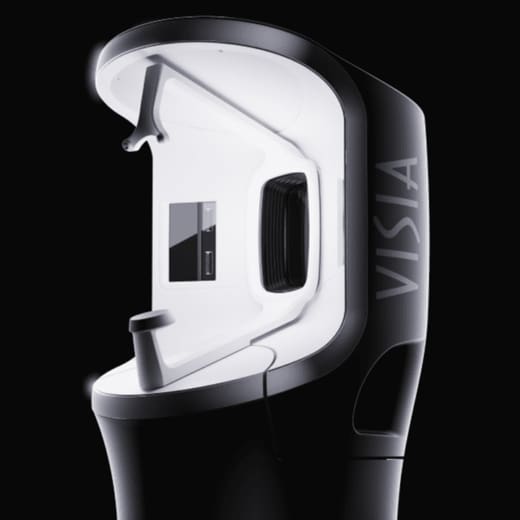
Discover what ‘True Skin Age’ means, how it’s measured using VISIA, and the evidence-based ways to improve your biological skin...
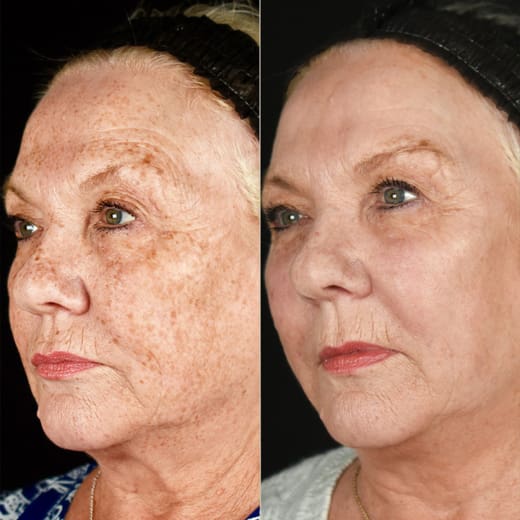
Pigmentation, redness and texture issues all have different causes. Learn what’s happening beneath the skin, and why VISIA analysis helps...
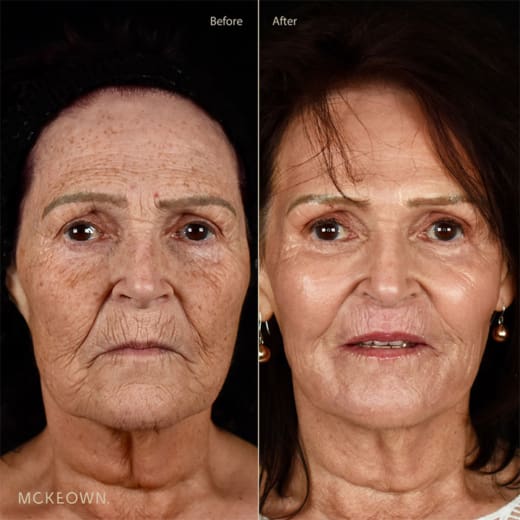
Skin quality is the missing piece in aesthetic medicine. Discover why tone, texture and clarity matter—and how lasers and VISIA...
1 / 3
2 / 3
3 / 3
Discover what ‘True Skin Age’ means, how it’s measured using VISIA, and the evidence-based ways to improve your biological skin...
Pigmentation, redness and texture issues all have different causes. Learn what’s happening beneath the skin, and why VISIA analysis helps...
Skin quality is the missing piece in aesthetic medicine. Discover why tone, texture and clarity matter—and how lasers and VISIA...
Keep up to date with the latest news from McKeown Medical and get access to expert insights, our latest before and afters and exclusive offers.



McKeown Medical
167 Bath Street, Glasgow, G2 4SQ
Copyright 2026 © Dr Darren McKeown - Cosmetic Surgery Clinic, Glasgow